
'With a broken bottle to the face': What the fight at Ballermann reveals about security concepts
'With a broken bottle to the face': What the fight at Ballermann reveals about security concepts
In the early hours a dispute at a venue on Playa de Palma escalated: a man was arrested after an attack with a bottle, and a security employee was seriously injured. Why such incidents regularly spiral out of control and what concrete measures could help.
'With a broken bottle to the face': What the fight at Ballermann reveals about security concepts
An incident at Playa de Palma raises questions about prevention, responsibility and nightlife management
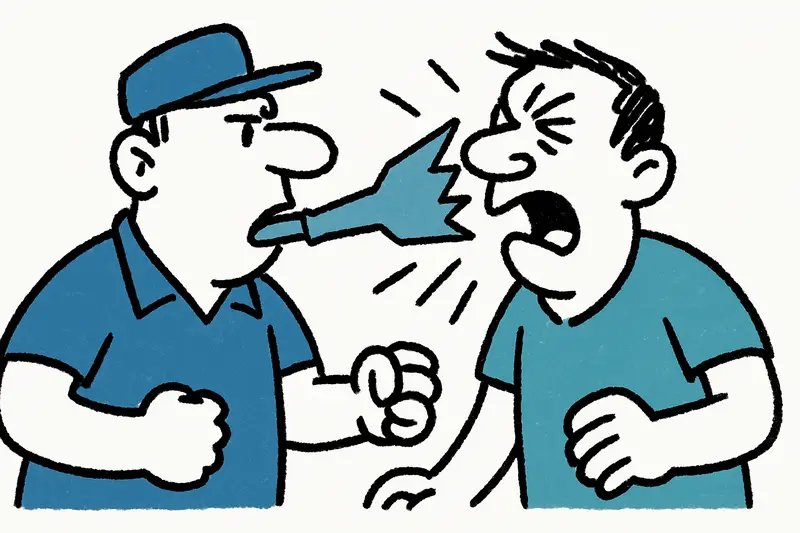
In the early hours of a Saturday during the season opening, a venue on Playa de Palma got out of control. The Policía Nacional arrested a man after a security employee suffered a serious facial cut in the altercation, caused by a broken bottle. Staff at the venue had earlier admonished a group because some guests had behaved inappropriately toward dancers; the situation escalated into a mass brawl and multiple emergency calls followed; similar episodes have been reported, for example Brawl at Playa de Palma: Why a verbal exchange could have ended fatally.
Key question: Why do confrontations on Mallorca's party strips repeatedly turn violent — and where does the system fail?
Brief analysis: Looking at the street level, the causes seem simple. Alcohol, heated moods, cramped spaces and a clear power imbalance between guests and door staff create tinder that easily sparks. But responsibility does not lie solely with intoxicated individuals. Organizers, operators, security firms and authorities share the duty to recognize and minimize risks early. If staff warnings (as in this case) cannot be enforced consistently, the next escalation stage is preprogrammed.
What is often missing in public debate: transparent data on the frequency and circumstances of such incidents. There is no publicly accessible overview of attacks on security personnel or violence in venues at Playa de Palma that would show whether there are hotspots, specific times of day or recurring offender groups. For broader context, see Ballermann in Focus: How safe is Playa de Palma really?. Also rarely discussed is on-site medical first aid: How quickly do emergency doctors reach injured security staff or guests? Who later covers the costs of operations and lost work?
At the same time, attention too quickly focuses on origin or individual fates. The fact is: the Policía Nacional arrested a Venezuelan national. Origin, however, says nothing about the causes of violence; see Break-in at the Ballermann: Why Flamenc Street no longer feels as safe at night for another incident that raised safety questions. Such mentions must not distract from the real problem: dealing with conditions in and in front of venues that promote a loss of control.
An everyday scene from a Playa de Palma night: It is half past five, the music has been abruptly turned down. Plastic cups lie on the pavement, the streetlights cast yellow circles on the wet cobbles. A cleaning truck rumbles by, a bar owner wipes the threshold, two dancers touch up their makeup. On the other side of the street three officers of the Policía Nacional quietly discuss the witness statements. Thus begins the morning after an evening that ended with one man in a cell and a security employee in hospital.
Concrete solutions that are more than just slogans:
1. Better training and standardized de-escalation protocols. Security staff need regular, certified training in verbal de-escalation and handling intoxicated persons. Clear rules on when a verbal warning must lead to a firm ban from the premises help avoid uncertainty.
2. Visible medical contact points. On party strips, mobile first-aid teams or paramedics should be more quickly available; soft-position points with easy access for police and emergency services could treat the injured quickly and facilitate evidence preservation.
3. Improved cooperation between authorities and operators. Regular meetings between the Policía Nacional, Policía Local, operators and security unions would make recurring problems visible and promote local rules — from admission checks to alcohol limits during certain times.
4. Stronger sanctions for repeat offenders. A binding, digitally documented procedure for people who repeatedly cause trouble could temporarily block access to multiple venues — not as a blanket punishment but as a protective measure for staff and guests.
5. Transparency instead of taboo. Open reports on incidents, anonymized statistics and clear information obligations for operators create pressure to implement safety standards seriously. Only what is measured can be improved.
These measures are not a cure-all. But they shift the focus away from individuals and onto the structures that encourage violence. Anyone who wants to preserve nightlife at Playa de Palma — as a source of income, a social meeting place, a workplace for hundreds of people — must accept that rules are needed, and that they must be applied consistently and transparently.
Conclusion: The attack with a broken bottle is a symptom of a larger problem. In the short term, the perpetrator must face criminal charges and injured staff must receive medical care. In the medium term, binding standards, better medical coverage and real coordination between authorities and the industry are needed. Otherwise the same scene will repeat — and the morning streets will remain what they increasingly are: traces of celebrations and rifts in night culture.
Frequently asked questions
Why do fights at Playa de Palma in Mallorca sometimes turn violent?
What should security staff do when a situation gets out of control in Mallorca nightlife venues?
How safe is Playa de Palma at night for visitors and staff?
What kind of security problems are common on Mallorca’s party strips?
Who is responsible for preventing violence in Mallorca nightlife venues?
Do Mallorca nightlife venues have enough medical support for injuries?
What can be done to reduce repeat troublemakers in Playa de Palma?
What should visitors wear or bring for a night out in Mallorca?
Similar News

Siblings on the Dance Floor: Philipp and Seraphina at the Mallorca Dance Festival
Two young dancers from Mallorca give their all at the Dance Festival in Santa Ponça: daily training, a move to Ljubljana...

Sa Millor 2026: Mallorca searches for the most creative burger
From May 4 to June 2, 25 eateries and food trucks across Mallorca will compete in the Sa Millor 2026 contest. Guests vot...

Palma Boat Show 2026: Ten Yachts That Turn La Llotja into the Island's Most Beautiful Construction Site
La Llotja turns again into a small luxury neighborhood on the water: 10 superyachts showcase technology, design and busi...
Morning avalanche of trash at Playa de Palma: Who clears away the party leftovers?
A video shows the beach area in front of Balneario 5 early in the morning after a night of partying strewn with bottles,...
Scandal in Palma: Allegations Against Cosmetic Clinic – A Reality Check
Investigations into a clinic in Palma: Allegedly, surgeries were performed without an approved operating theatre, by non...
More to explore
Discover more interesting content

Experience Mallorca's Best Beaches and Coves with SUP and Snorkeling

Spanish Cooking Workshop in Mallorca
