
Bankruptcy Alarm on the Paseo Marítimo: Who Will Help Palma's Nightlife Strip Out of the Endless Construction?
Business owners on the Paseo Marítimo are sounding the alarm: after the pandemic, years of major construction and lost parking spaces, livelihoods are at risk. The platform "Marítim" is calling for immediate aid — but is that enough?
Bankruptcy Alarm on the Paseo Marítimo: Who Will Help Palma's Nightlife Strip Out of the Endless Construction?
Key question: How long can a promenade survive if guests stop coming?
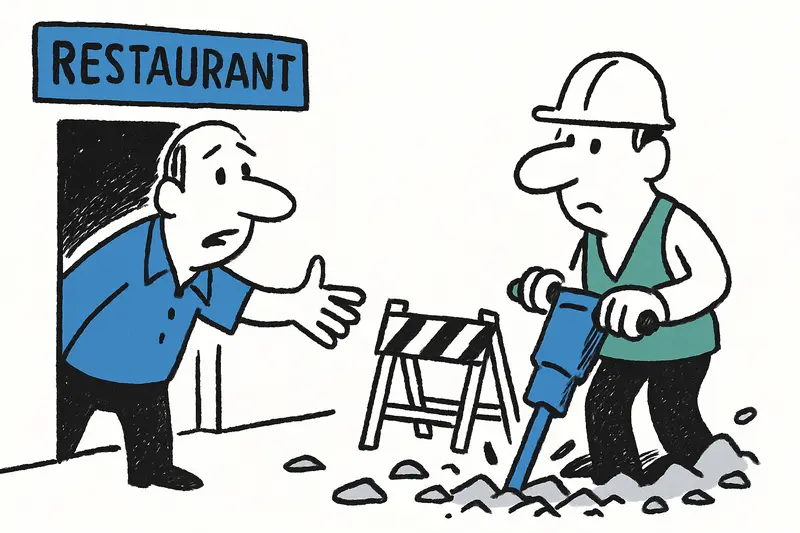
The Paseo Marítimo currently feels like a construction site that has been forgotten by its audience. The new initiative "Marítim", an alliance of restaurateurs, entrepreneurs and associations, accuses the city administration and planners of underestimating the situation. Names like José Pérez or Juanmi Ferrer come up in conversations along the promenade. Their message is clear: many businesses report revenue declines of up to 90 percent, and some are on the brink of insolvency. This is not a marginal commercial problem — it's a cry for help from the heart of Palma.
Critical analysis: three overlapping causes that exacerbate the consequences. First, the aftermath of the pandemic: reduced willingness to invest and fewer international walk-in customers. Second, the prolonged major construction works along the promenade, which severely restrict accessibility. Third, the loss of about 1,200 parking spaces — a detail entrepreneurs repeatedly mention. For these reasons, guests are shifting to other neighborhoods like Santa Catalina or along Passeig Mallorca. This is not a natural change; it is displacement caused by obstacles.
What is missing from the public discourse: there is much talk about construction phases and urban development goals, but little about the immediate consequences for small businesses or the livelihoods of workers. Residents have raised similar concerns in When the Benches Become a Bar: Residents Sound the Alarm on the Paseo Marítimo.
An everyday scene: around 6 p.m., when taxis honk at Moll Vell and ferries to Sóller start their engines on the horizon, a terrace that is normally busy has only two chairs left. In the distance you can hear drilling and the dull thud of construction work. The waiter folds a napkin, looks at his tablet with the day's till report and furrows his brow. This is not a dramatized isolated case — we see it at several corners of the Paseo. Local reporting such as Paseo Marítimo: Big Spending, Little Everyday Usefulness documents these recurring problems.
"Marítim"'s demands are concrete: shuttle buses, better taxi connections, a clear traffic concept and short-term mobility alternatives. These are pragmatic proposals. If a promenade is not accessible, the best marketing will not help. At the same time, associations like CAEB and representatives from the real estate and travel sectors speak of a joint restart — which shows that the problem affects several sectors. Meanwhile, the city has proposed measures in Palma pulls the emergency brake: Short-term rentals, party boats and hostels to disappear.
What is now lacking are binding and quickly implementable measures. Some proposals that could be tackled immediately: temporary parking areas on the outskirts with free shuttles, a coordinated information campaign for guests and taxi drivers about access routes, financial relief for affected small businesses (deferred tax debts, reduced business taxes for a transitional period) and mediation services for rent negotiations between owners and tenant businesses.
In the medium term, more than repairs are needed: the promenade must not be only nightlife. Diversity is the key. More shops, small food providers, cultural spaces and daytime offerings would broaden the profile and attract a wider range of visitors. This includes local markets, temporary pop-up stores and weekly events. Investor interest, visible in projects like the announced reopening of a club or the arrival of chains, helps — but it must not replace the traditional identity of the street.
Transparency and participation: a round table with representatives from Marítim, the city, traffic planners and tenant organizations should agree on binding schedules, compensation measures and metrics. Public accounts for construction phases, simple hotlines for affected businesses and regular progress reports would build trust. Without such mechanisms, many offers of help remain mere declarations of intent.
Concise conclusion: Palma's Paseo Marítimo stands at a crossroads. It's not just about a pretty boulevard or a few parking spaces. It's about livelihoods, jobs and the face of the city after the construction. Short-term, targeted measures combined with an honest plan for diversity could prevent the promenade from becoming a collection of empty facades and failed concepts. The clock is ticking — and the voices of entrepreneurs like Pérez and Ferrer should not be dismissed as mere complaints, but heard as a wake-up call for concrete policy.
Read, researched, and newly interpreted for you: Source
Similar News
When Routes Suddenly Disappear: Which Cruise Ports in the Mediterranean Are No Longer Visited
Because of armed conflicts, traditional cruise routes have recently been dropped. What does this mean for Palma, dockwor...
When the Garage Becomes a Trap: Palma Alarmed After Wave of Car Break-ins
The National Police report a sharp rise in car break-ins in Palma — offenders are increasingly shifting tactics to commu...
Fire in La Soledat: E-scooter escape exposes security gaps
In La Soledat masked individuals set fire to a vacant plot and escaped on e-scooters. The incident shows how vacant lots...

Trailer Instead of an Apartment: Palma Reveals the Ugly Side of the Housing Crisis
Two scenes from Palma — workers sleeping in truck trailers, and a man living with pigeons on a park bench — raise the qu...
When the Tank Runs Low: What Mallorca Should Do About Fuel Risks for Air Traffic
Ryanair warns of possible fuel shortages if the conflict in the Persian Gulf continues. What does that mean for Mallorca...
More to explore
Discover more interesting content

Experience Mallorca's Best Beaches and Coves with SUP and Snorkeling

Spanish Cooking Workshop in Mallorca
