
Accident in Cas Concos: Mason Paraplegic After Scaffold Fall – What Went Wrong?
Accident in Cas Concos: Mason Paraplegic After Scaffold Fall – What Went Wrong?
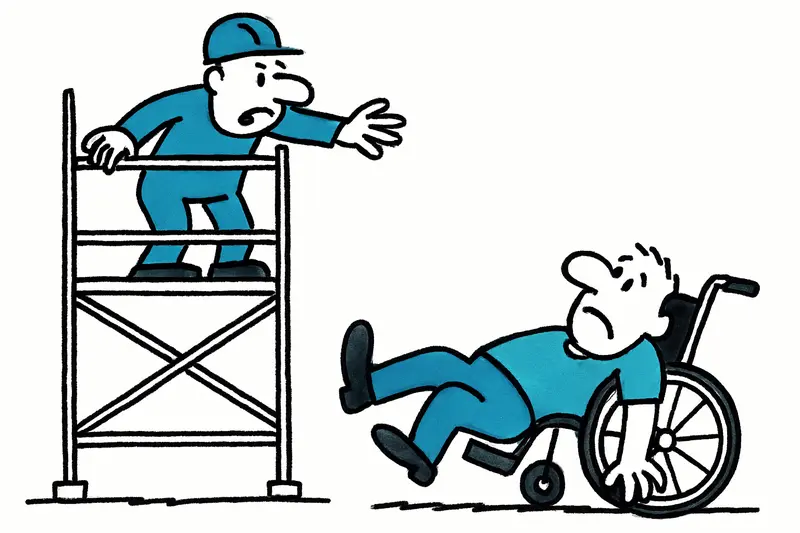
A 49-year-old mason fell backwards from a scaffold about three metres high in Cas Concos in March and has been paraplegic at Son Espases since. The Guardia Civil is investigating. Time for a reality check: Are the protective measures on Mallorca's construction sites really sufficient?
Accident in Cas Concos: Mason Paraplegic After Scaffold Fall – What Went Wrong?
On the morning of March 12, a serious workplace accident occurred in Cas Concos: a 49-year-old construction worker fell backwards from a scaffold of roughly three metres while renovating the south façade of a residential building. Rescue teams performed resuscitation measures and transported the man to Son Espases hospital. According to hospital sources, he has been paraplegic since. The criminal police of the Guardia Civil in Manacor have opened an investigation to clarify the course of events.
Key question
Were all regulations for working at height observed on the site – or is there a wide gap between the rules and everyday practice?
Critical analysis
In short: at first glance the scaffold had a guardrail and the fixings appeared intact. Nevertheless, the mason's workday ended with a life-changing injury. If fall protection was present and a fall still occurred, several explanations are possible: missing personal protective equipment such as a safety harness, improper use of the working platform, material fatigue or a health problem of the worker. The overall organization on site – supervision, instruction, work planning – must also be examined. The fact that colleagues did not witness the accident makes it hard to form a clear picture; witness statements are incomplete.
On Mallorca, many construction sites have teams of permanent staff, subcontractors and often seasonal workers. Different contractual arrangements, language barriers and time pressure during renovations are factors that can increase the risk of accidents, a pattern also seen on large construction sites such as Another accident at Palma Airport: Worker falls on construction site — who protects the employees?. Authorities do have regulations here, but there are often several steps between standards and practice in organisational culture.
What is missing from the public debate
The debate often remains superficial: an accident, investigations, then the headlines fade. Three levels are missing: reliable figures on the frequency of workplace accidents on the island, illustrated by cases like Fall in Can Pastilla: More Than an Accident?; transparent reports on recurring defects with scaffolds and sites, as highlighted by the Fatal accident in Santa Margalida: Concrete slabs bury worker – How safe are our construction sites?; and a public discussion about the practice of subcontractor chains. Also insufficiently addressed is how quickly affected people in the region can access rehabilitation services and social support. The discussion must not be left to purely technical questions; it is also about responsibility and oversight.
A commonplace scene from Cas Concos
If you stroll through Cas Concos on a Saturday you hear the church bells and see the cafés around the village square. On the day the sirens broke the quiet, neighbours stopped in the street. The smell of fresh cement was in the air; two construction helpers stood at the edge of the property, others looked sombrely toward the emergency vehicles. Scenes like this show: construction sites are part of everyday life – and when something goes wrong it affects not only the workers but the whole neighbourhood.
Concrete solutions
1. Mandatory personal fall protection: on all projects with a fall risk, safety harnesses with secure anchor points must be obligatory and checked daily. 2. Independent scaffold inspection: before work begins a certified inspector should approve the structure and document the check. 3. Uniform safety briefings: employers must hold short daily "toolbox talks" in the relevant working language and provide written confirmation. 4. Transparency in subcontractor chains: clients should be required to disclose the safety standards of their subcontractors and sanction violations. 5. Stronger controls: mobile inspection teams should carry out more frequent unannounced checks on sites in rural municipalities such as Felanitx and the surrounding area. 6. Emergency training and equipment: on rural sites the accessibility of emergency care must be guaranteed, including reliable radio communication, first-aid kits and regular first-aid training for team members. 7. Support network for the injured: local authorities, unions and social services should coordinate offerings so that in the event of severe injuries rehabilitation, financial advice and psychological support begin immediately.
Conclusion
The case in Cas Concos is more than an isolated incident: it is a warning sign. A guardrail alone does not guarantee that no one will have to start life anew – for example in a wheelchair. Responsibility lies with companies, with oversight bodies and with us as a society that accepts this work in public spaces. If you ask around the neighbourhood you hear a wish: clear rules, consistent controls and more protection for the people who build Mallorca with their hands. Until the investigations in Manacor produce final results, one thing is certain: the accident must be a reason not only to review protective measures but to strengthen them.
Frequently asked questions
What is the weather usually like in Mallorca in spring?
Is Mallorca warm enough for swimming outside the summer months?
What should I pack for a trip to Mallorca in the shoulder season?
Is Mallorca a good place to visit if you want to avoid the summer crowds?
What is Soller like in spring?
When is the best time to visit Palma de Mallorca for walking around the city?
Is Mallorca good for hiking in spring?
What is the weather like in Mallorca in autumn?
Similar News
When Radio Falls Silent and the Runway Is Brittle: A Mallorca Pilot in Caracas and the Unresolved Safety Questions
An experienced Mallorcan pilot diverted from landing in Caracas after strong earthquakes in Venezuela. The silence on th...
A Moment — and Nothing Is the Same: A Reality Check After the Broken Neck at Playa de Palma
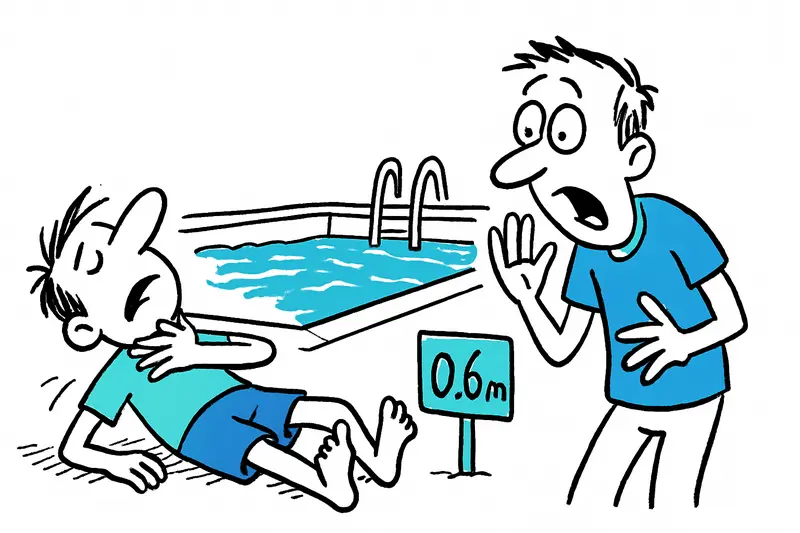
A 19-year-old dived headfirst into a 60 cm pool and suffered a severe cervical spine injury, later medevaced by ADAC. Wh...
Blood in the Sand of Palmanova: Who Protects Partygoers from Themselves?
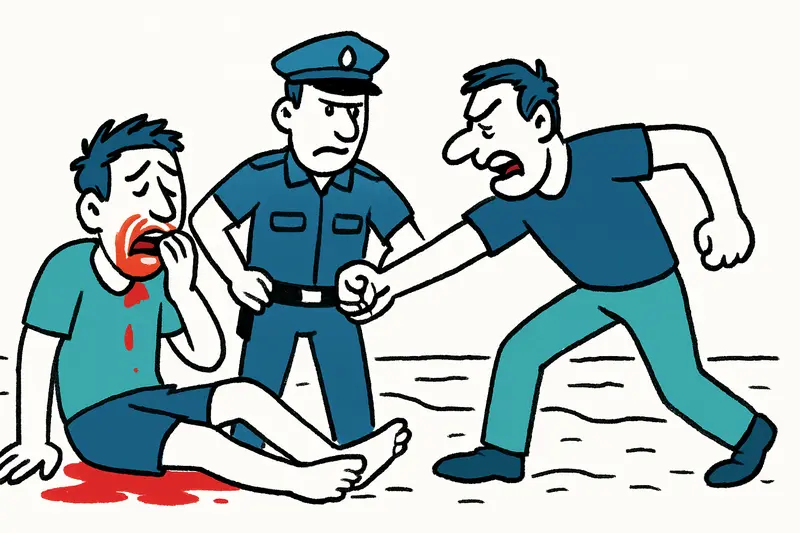
During the St. John's celebrations in Palmanova a dispute escalated: a 25-year-old Italian was arrested and a Spanish ma...
Solitary Rocky Coves in the Northeast: Peace Instead of Tourist Crowds
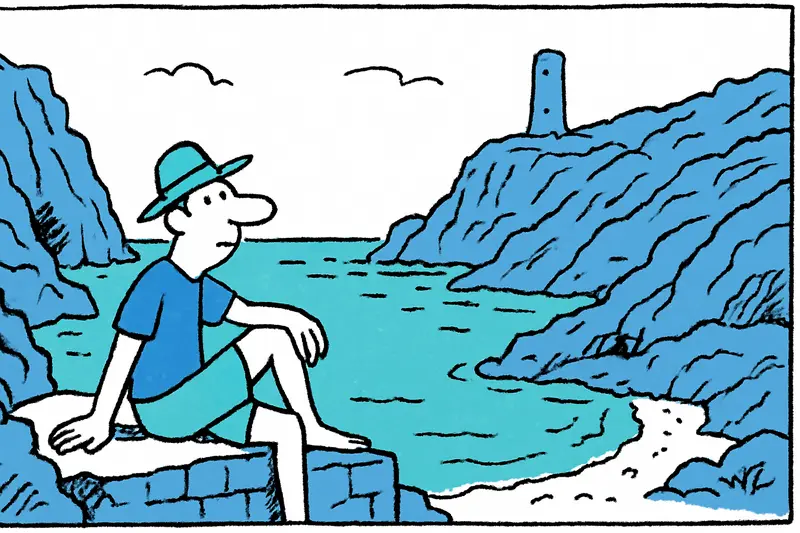
If you're tired of sandcastles, you'll find quiet, rocky coves around Cap Ferrutx in Mallorca's northeast. A footpath fr...
16 kilograms of cocaine in BMW: Port inspection in Alcúdia stops alleged smuggling
A 26-year-old man was arrested at the port of Alcúdia. Investigators found eight packages totaling 16 kg of cocaine in t...
More to explore
Discover more interesting content

Boat Tour with BBQ along Es Trenc Beach

Private transfer from Mallorca Airport (PMI) to Pollensa
